Indoor Air Quality in Data Centers: Protecting Equipment from Corrosive Gases
Data Center Air Quality: Protecting Critical Infrastructure from Corrosive Gases
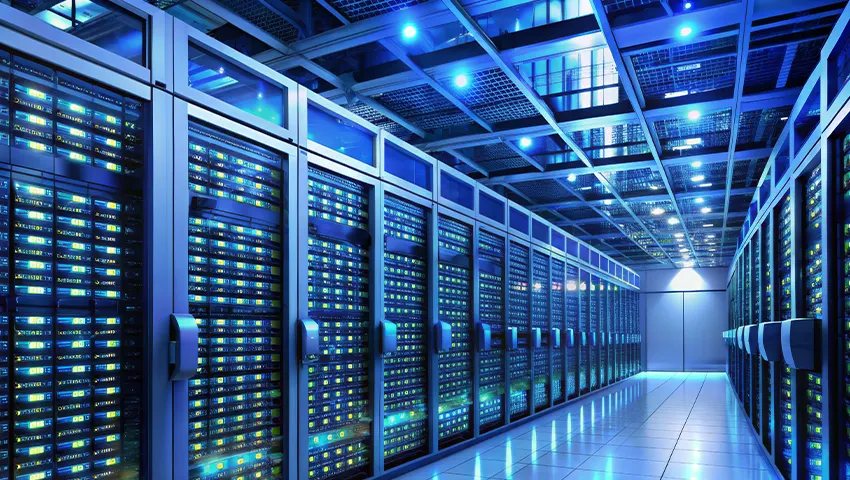
As data centers become the backbone of the digital economy, protecting critical IT infrastructure has become more important than ever. While most facilities focus on temperature, humidity, and particulate filtration, one invisible threat is often overlooked—corrosive gases.
These airborne contaminants can silently damage electronic components, leading to equipment failures, reduced reliability, and costly downtime. Maintaining superior Data Center Air Quality requires more than conventional HVAC filtration; it demands advanced Chemical Filtration and Gas-Phase Filtration engineered specifically for mission-critical environments.
Why Particulate Filtration Isn't Enough
Most data centers use high-efficiency particulate filters to remove dust and airborne particles. While these systems effectively protect equipment from particulate contamination, they do not remove gaseous pollutants.
Invisible contaminants such as sulphur compounds, chlorine, nitrogen oxides, ammonia, and volatile organic compounds (VOCs) can pass directly through conventional filters and attack sensitive electronic components.
The result is accelerated corrosion, reduced equipment life, and increased operational risk.
Understanding Corrosive Gases
Corrosive gases are present in varying concentrations depending on the surrounding environment.
Common sources include:
- Industrial emissions
- Vehicle exhaust
- Wastewater treatment facilities
- Construction activities
- Diesel generator emissions
- Cleaning chemicals
- Outdoor air pollution
Even at low concentrations, these gases can react with copper, silver, and other electronic materials, causing corrosion on printed circuit boards, connectors, switches, and server components.
Unlike dust, corrosive gases cannot be seen—but their impact can be significant.
How Corrosion Affects Data Centers
Airborne corrosive gases can lead to:
- Premature equipment failure
- Corrosion of electronic circuits
- Increased maintenance costs
- Unexpected server downtime
- Reduced equipment reliability
- Shorter infrastructure lifespan
- Higher operational risk
For facilities operating 24/7, even a small amount of corrosion can result in substantial financial losses.
The Role of Gas-Phase Filtration
Gas-phase filtration is specifically designed to remove gaseous contaminants that conventional filters cannot capture.
Using specialized chemical media, these systems adsorb and neutralize corrosive gases before they enter sensitive IT environments.
Common contaminants removed include:
- Hydrogen Sulphide (H₂S)
- Sulphur Dioxide (SO₂)
- Nitrogen Oxides (NOx)
- Chlorine
- Ammonia
- Ozone
- VOCs and chemical vapours
This provides an additional layer of protection that particulate filtration alone cannot achieve.
Why Activated Carbon Matters
Activated Carbon is one of the most effective media for gas-phase filtration due to its highly porous structure and enormous internal surface area.
It efficiently removes:
- VOCs
- Chemical vapours
- Odors
- Organic contaminants
- Certain corrosive gases
For more demanding applications, activated carbon is often combined with potassium permanganate or specialty chemical media to remove aggressive contaminants such as sulphur compounds and ammonia.
Chemical Filtration Units: Complete Protection for Mission-Critical Facilities
Modern Chemical Filtration Units (CFUs) combine multiple filtration technologies into one integrated system.
A typical system may include:
- Pre-Filtration
- Electronic Air Cleaning
- Activated Carbon Filtration
- Gas-Phase Chemical Media
- UV-PCO Technology
- Final High-Efficiency Filtration
Together, these stages remove particulate matter, VOCs, corrosive gases, odors, and airborne contaminants while maintaining excellent airflow and HVAC efficiency.
This comprehensive approach helps protect both equipment and occupants.
Why Industry Standards Matter
Leading data centers increasingly follow internationally recognized air quality guidelines to minimize corrosion risks.
ASHRAE Guidelines
ASHRAE recommends maintaining clean indoor air and controlling airborne contaminants to improve HVAC performance and protect mission-critical facilities.
ISA Standards
ISA Standard ISA-71.04 classifies airborne contamination levels based on their corrosivity and is widely used to assess environmental suitability for electronic equipment.
Facilities designed to meet these standards benefit from:
- Improved equipment reliability
- Reduced corrosion risk
- Longer asset life
- Lower maintenance costs
- Increased operational resilience
Best Practices for Data Center Air Quality
To achieve reliable long-term performance, facilities should:
- Monitor Indoor Air Quality regularly.
- Install gas-phase filtration systems.
- Control humidity and temperature.
- Replace filtration media on schedule.
- Reduce outdoor contaminant infiltration.
- Monitor corrosive gas concentrations.
- Maintain HVAC systems proactively.
A proactive air quality strategy helps reduce risks before they become operational issues.
How Myaire Protects Critical Infrastructure
Myaire engineers advanced air quality solutions specifically for mission-critical environments.
Our portfolio includes:
- Chemical Filtration Units (CFUs)
- Gas-Phase Filtration Systems
- Activated Carbon & Specialty Media
- Electronic Air Cleaners (EACs)
- Packaged Filter Units (PFUs)
- Real-Time IAQ Monitoring Solutions
Designed for data centers, control rooms, clean environments, and electronic facilities, these systems deliver superior corrosion protection while maintaining healthy, reliable, and efficient indoor environments.
Final Thoughts
Dust is only part of the air quality challenge in data centers. Invisible corrosive gases can cause significant damage long before problems become visible.
By combining Gas-Phase Filtration, Activated Carbon Media, Chemical Filtration Units, and intelligent HVAC design, organizations can safeguard critical equipment, reduce downtime, extend infrastructure life, and ensure uninterrupted operations.
Protect Your Data Center Beyond Dust.
With Myaire's advanced air quality solutions, you don't just filter the air—you protect the technology that keeps your business running.